Environmental Business
We are building up our advanced technologies for recycling waste and by-products into resources, along with the systems to accept them, as part of our effort to help create a recycling-based society.
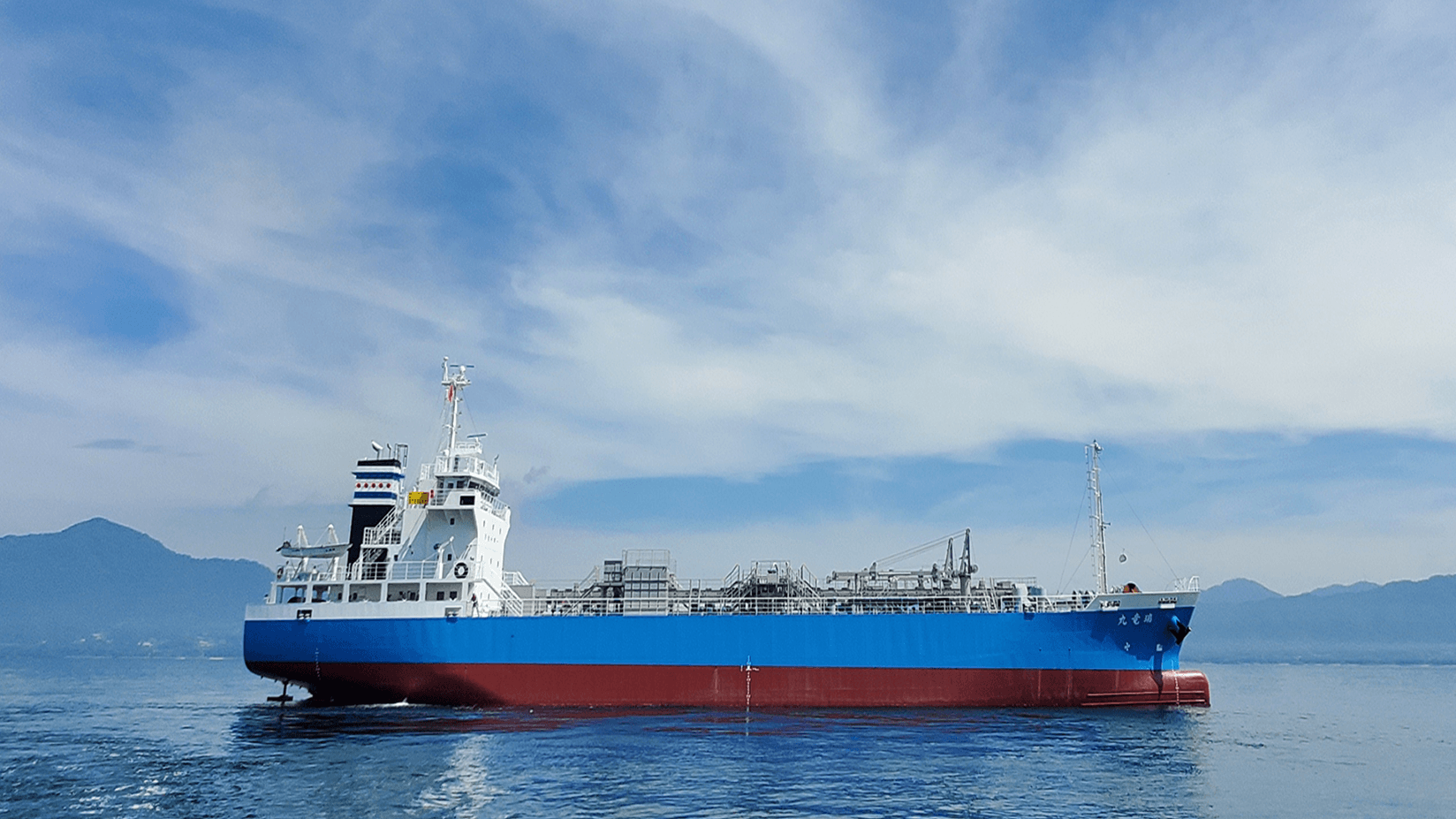
Recycling in partnership with the electric power and steel industries
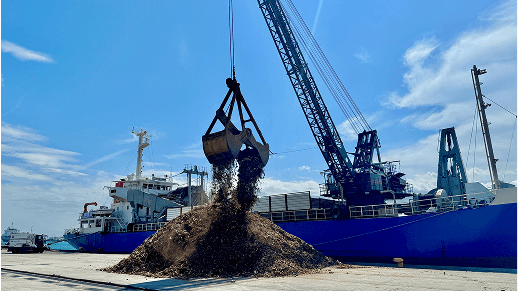
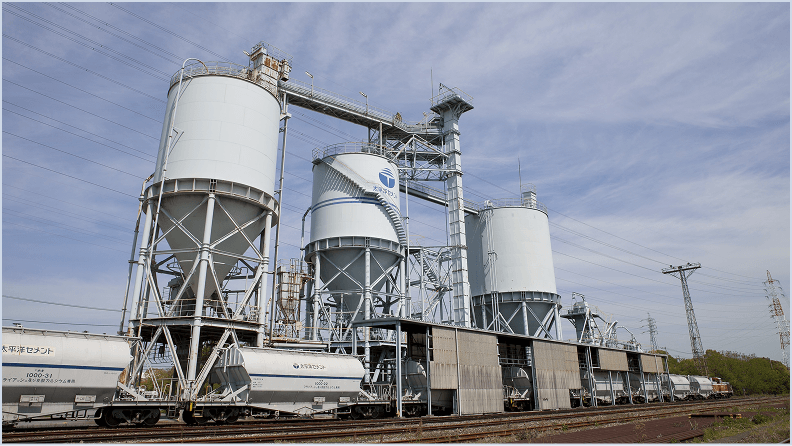
While we supply coal-fired power plants with flue gas desulfurization materials such as calcium carbonate made from limestone, we accept coal ash generated at power plants for use not only in recycling as a raw material for cement but in the production of various civil engineering materials as well.We also make effective use of flue gas gypsum, as well as large quantities of blast furnace slag and iron dust discharged from iron mills, as raw materials for cement. In addition, we sell inorganic materials such as ground granulated blast furnace slag, along with chemicals and gypsum, and we are working to promote recycling across industries.At the Saiki Ash Center in Saiki City, Oita Prefecture, we have established facilities for manufacturing and shipping blended cement using classified fly ash to serve as an export base. By making effective use of waste and byproducts discharged from the electric power and steel industries, we are contributing to extending the service life of waste disposal sites.
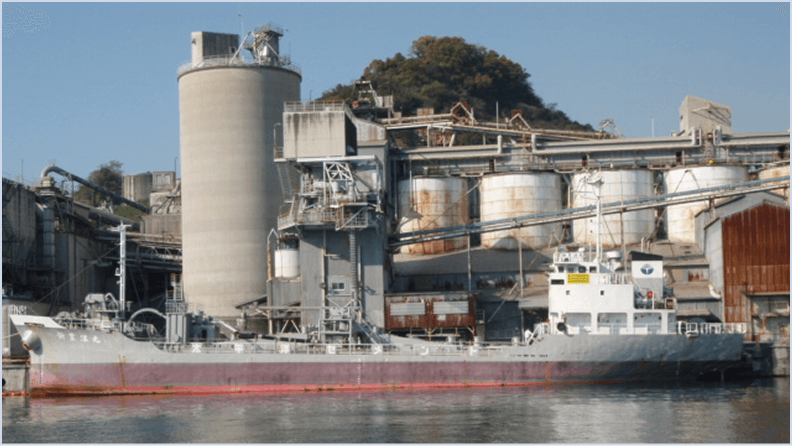
Using municipal waste as raw material for cement
Cement is made through calcination (burning) at a high temperature of 1,450°C. This process can be used to detoxify and recycle nearly all waste. Ecocement is made primarily from municipal waste incineration ash and sewage sludge and is symbolic of our “zero waste” initiatives. Making Ecocement helps reduce the significant amount of incineration ash otherwise transported to landfills. We are also working to develop and commercialize environmental recycling technologies, including our Ash Washing System for desalinating municipal waste incineration ash and transforming it into a raw material for cement, and our AK System for recycling raw garbage using rotary kilns and fermentation technology.
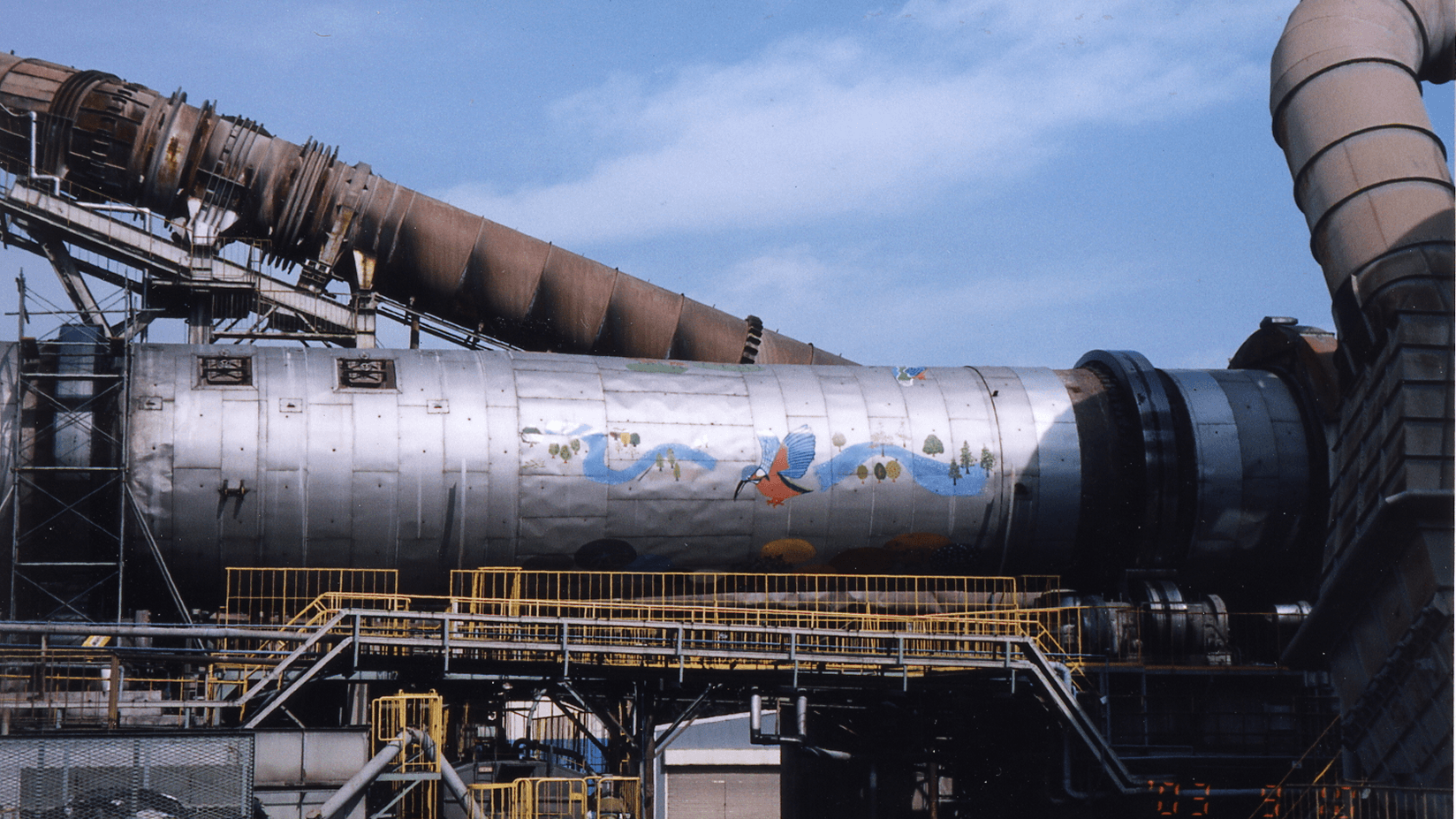
Recycling all kinds of waste
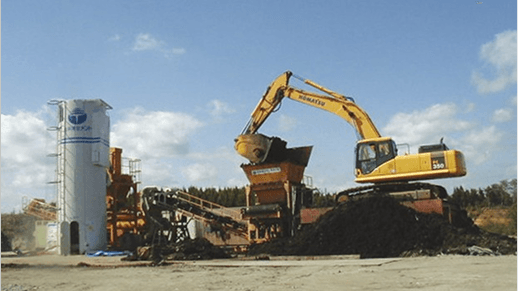
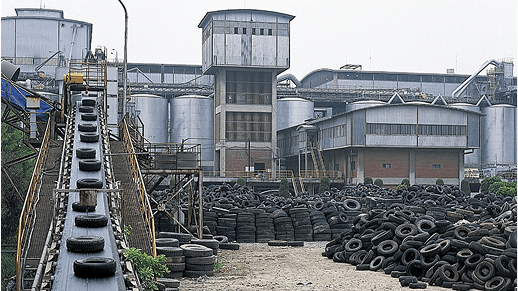
To build recycling-based societies, we need systems that can handle a wide range of materials. We are pursuing a wide range of recycling businesses, from waste tires, waste plastics, paper sludge, and waste casting sand generated by industries, to surplus soil from water purification, sewage sludge, and dredging sludge handled by municipal governments, and, in recent years, our lithium-ion battery recycling business.We have branches across Japan and a network of sites including cement plants, which are central to waste treatment, and we have built a system that allows us to respond to customer needs in a quick and flexible manner.